

Premium Building Material – Strong, Sustainable & Affordable
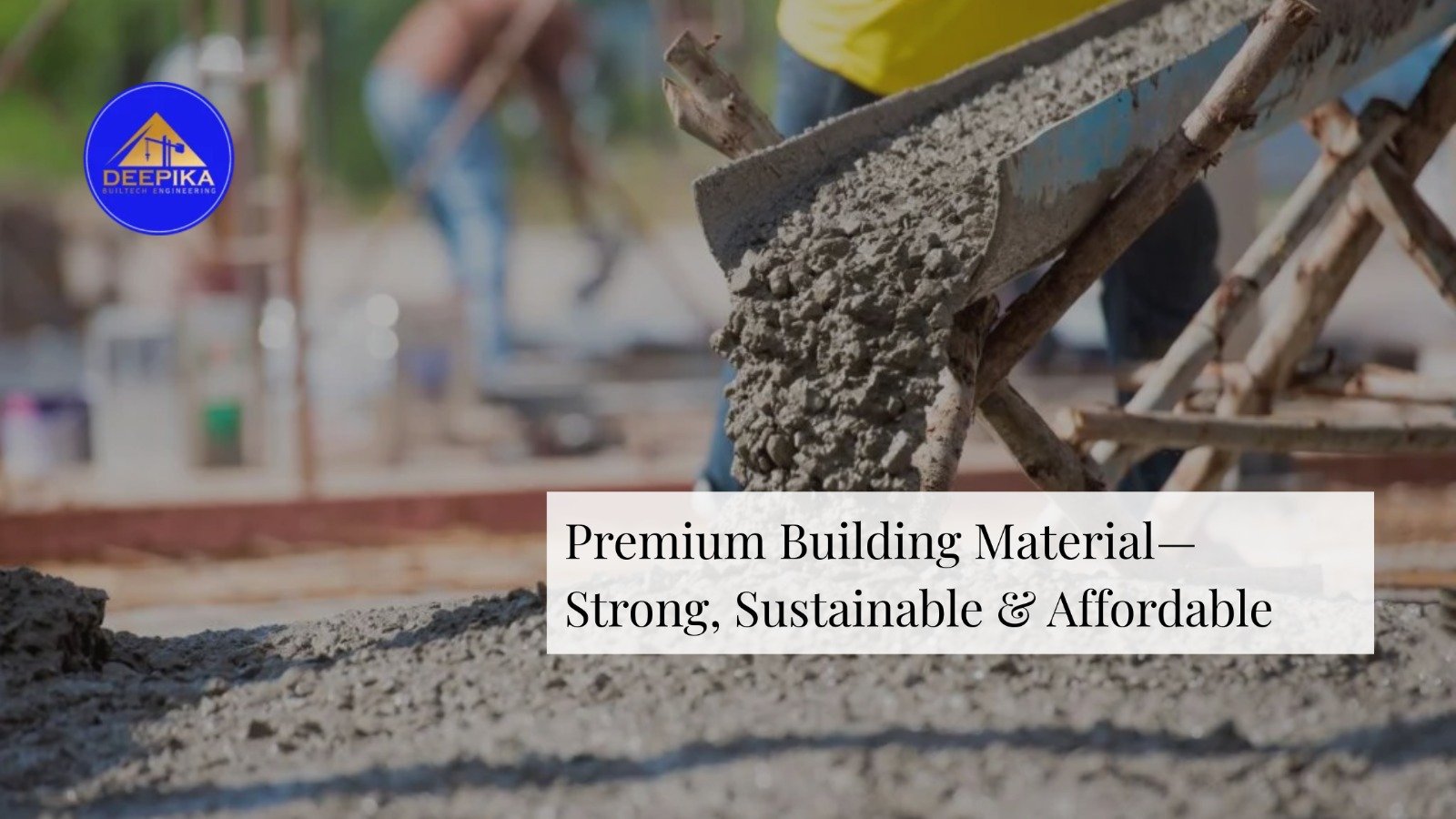
The type of building material used will define whether the construction is to be solid and durable. Be it a modern home, commercial space, a warehouse, or simply renovation work; the usage of premium quality materials will guarantee the safety, sustainability, and economy of the venture. These days, architects and contractors along with home owners are shifting more towards such superior building materials that can provide an ideal blend of strength, eco-friendliness, and affordability.
In this blog, we are going to talk about why premium building materials matter, their benefits, types, and how you can choose the right one for your next project.
Why Choosing the Right Building Material Matters
Every successful construction project is based upon a very strong foundation, and that foundation is based entirely upon the quality of the building material used. The quality materials will resist pressure, reduce chances of damage, decrease maintenance costs, and lengthen the life of the structure.
Good reasons to first choose quality materials include:
For long-term durability, strong materials ensure resistance against wear, weather, and structural stresses.
Safety and Stability: High-quality building material reduces the chances of the development of cracks, collapse, or early deterioration.
Eco-friendly options: The carbon footprint is less when using sustainable building materials, thus a greener living.
Higher Property Value: Good materials mean strong construction work, while strong construction means better resale value.
Cost-effective in the long run: while cheaper materials save you money at the start, premium materials save you from heavy repairs later on.
Features of Premium Building Material
1.Strength & Structural Integrity
Top-grade building materials used are TMT bars, AAC blocks, engineered wood, and concrete mixes for heavy loads that will not lose their stability in harsh weather conditions. Any construction is graded first on its strength factor.
2.Sustainability & Eco-Friendly Composition
Premium modern materials are all about minimal environmental impact. There are fly-ash bricks, bamboo composites, recycled steel, even solar tiles-all contribute to energy efficiency and lowering emissions.
3.Affordable without compromise
The right building material, contrary to being premium, meaning high in cost, allows value for money and balances cost with performance towards long-term savings.
4.Weather & Pest Resistance
These include UPVC, fibre cement boards, and corrosion-resistant steel that protect against humidity, termites, corrosion, and temperature fluctuations.
5.Aesthetic Look
The premium materials come with all the trending designs, textures, and finishes that will allow you to create impressive-looking spaces in no time.
Top Premium Building Materials Used in Modern Construction
1.AAC Blocks
With thermal efficiency, AAC blocks are lightweight and durable, finding ever-increasing acceptance both in residential and commercial buildings.
2.TMT Steel Bars
High-strength reinforcing bars with improved bond to concrete have higher load-carrying capacity.
3,Ready-Mix Concrete
A homogeneous high-performance material, widely used for foundations, slabs, and structural works.
4.Engineered Wood
More stable and durable than traditional wood, it’s perfect for interiors, flooring, and furniture.
5.UPVC Doors & Windows
Known for thermal insulation, soundproofing, zero maintenance requirements.
6.Fly-Ash & Eco Bricks
Reduce waste to the environment and provide sustainable alternative options to red bricks.
7.Roofing Sheets & Panels
The structure is to be strengthened with galvanized sheets, polycarbonate sheets, and sandwich panels for insulation and weathering.
How to Choose the Best Building Material for Your Project
The type of building material you will select depends on your budget, climatic condition, the size of the project, and long-term goals. The following are ways to make the right choice:
Analyze Your Project Requirements
Each project has different requirements; for instance, residential projects require thermal efficiency, whereas warehouses have to provide high structural strength.
Check Durability & Performance Ratings
In selecting materials, always consider life span and levels of resistance.
Choose Certified & Tested Materials
Ensure that the building materials used are in line with national standards such as ISI, BIS, or any other local certifications.
Consider sustainability
Using greener material in construction, therefore, is foreworded intelligent and future-ready with the rise of green building trends.
Balance Quality & Budget
Premium isn’t just a code word for overpriced. It means select materials that are more valuable over the long term, even if it doesn’t offer upfront, short-term savings.
Benefits of Using Premium Building Material
Stronger and more durable structures Lower maintenance and repair costs Improved safety and resilience Improved energy efficiency Better protection against climate and environmental hazards Higher resale value of the property Stylish, modern architectural finish.
Conclusion
At Deepika, Premium building material forms the backbone of every construction project undertaken. Strong, sustainable, and affordable materials ensure longevity of performance, eco-friendliness, safety, and exceptional savings over time. To a builder, architect, or home-owner, quality material invested in a structure gives it durability and makes it future-ready.
Q&A Section
1. What are premium building materials?
Premium building materials are high-quality construction resources designed to provide superior strength, durability, and sustainability compared to regular alternatives.
2. Are premium building materials expensive?
Not always. Many premium materials offer long-term savings through durability and reduced maintenance costs, making them more cost-effective overall.
3. Which building material is best for home construction?
AAC blocks, TMT bars, ready-mix concrete, and UPVC windows are among the most preferred options for modern homes.
4. How do I choose the right building material?
Evaluate factors like strength, sustainability, certifications, climate compatibility, and long-term cost before making a decision.
5. Are eco-friendly building materials reliable?
Yes, eco-friendly materials like fly-ash bricks, bamboo composites, and recycled steel are strong, durable, and widely used in modern construction.
