

Cold Storage Warehousing Preserving Quality from Farm to Market
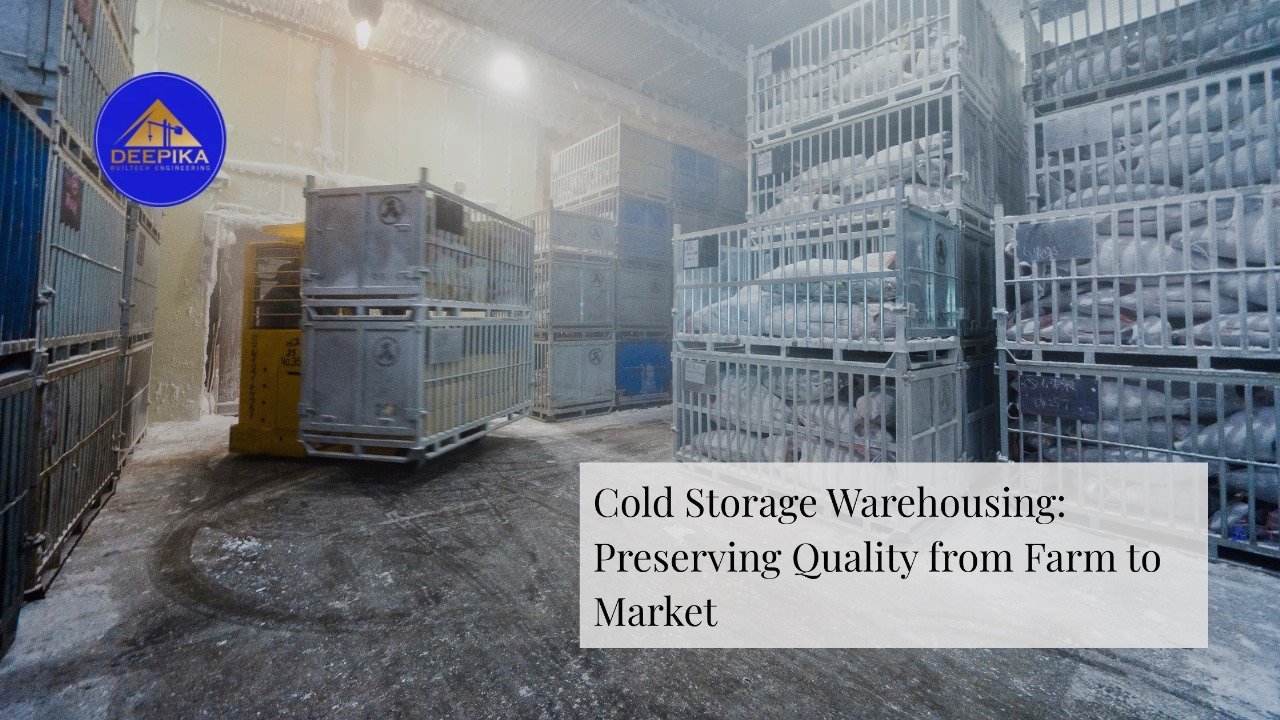
Table of Contents
In today’s rapidly moving supply chain, ensuring product quality from point of origin all the way through to the end-use consumer is a very critical task. Some of these perishable goods include fruits, vegetables, dairy products, meat, seafood, and medicines that require a controlled temperature level for them to remain fresh and safe for consumption. It is at this important crossroads stage where Cold Storage Warehousing, referred to in most circles as “the backbone of any logistics and/or distribution network,” finds application.
Cold storage warehousing will make sure that products, which are temperature-sensitive right from farms and fishing centers to processing companies and finally to retail stores, reach consumption in the optimized state with minimal waste and increased efficiency in the supply chain.
Cold Storage Warehousing: Understanding
Cold Storage Warehousing storage in purpose-built facilities to keep a controlled environment with respect to temperature in perishable and temperature-sensitive goods. Sophisticated refrigeration systems are used in Cold Storage facilities where controlled temperatures are kept to preserve goods, control microorganisms, and extend shelf life.
Unlike conventional warehouses, storage in a cold storage facility can accommodate various levels of temperatures such as chilled, frozen, and deep frozen, depending on product requirements. Due to such requirements, storage in a cold storage facility is an absolute necessity in agriculture, food processing, pharmaceutical industries, and chemical industries.
Cold Storage in Relation to the Journey from Farm to Market
1.Preserves after Harvest
As soon as produce is harvested from farms, it starts to go towards deterioration. Cold Storage Warehousing is a process used to slow down respiration and the action of enzymes in fruits and vegetables in order to keep them fresh, crunchy, and nutritious for a longer time span. Overall, this technique gives farmers a chance to store their produce for a longer time and sell it at a suitable time without incurring post-harvest losses.
2.Transportation support for maintaining
Cold storage warehouses are used as a node in cold chain logistics. They help in facilitating transport under controlled temperatures by ensuring goods have favorable storage conditions before they can be delivered.
3.Quality Retention of Processed Foods
Cold storage is a significant end-use resource for different types of processed and frozen food products, which employ it to support the standards pertaining to food taste, texture, and safety. Cold storage warehousing preserves goods in a stable state by processing, packaging, and distributing them.
4.Safety in Pharmaceuticals and Healthcare
Other than food, other products which require cold storage include pharmaceutical products, vaccines, and healthcare products. This is because these items need specific temperatures in order to have efficacy and safety.
Advantages of Cold Storage Warehouses
Reduced Food Waste
Food waste gets reduced, which is among the most dramatic benefits of Cold Storage Warehousing. With increased shelf life, an organization can cut losses by multiple folds.
Enhanced Supply Chain Efficiency
This will mean that cold storage will improve inventory management and demand planning. During the peak production season, goods would have been safely placed in storage and supplied to the market after a different time span based on demand.
Enhanced Food Safety and Compliance
Cold storage warehouses are made in accordance with very specific standards, including those related to cleanliness and safety standards and in conformity with a set of rules. The risk of contamination and conformity with rules specified for food safety can be achieved by maintaining a controlled temperature.
Opportunities in Market Expansion
The Cold Storage Warehousing facility provides an opportunity for producers and exporters to deliver their goods to distant markets with no degradation in quality standards. As a matter of fact, it provides a chance for products processed and produced to reach international markets.
Price Stabilization to Farmer
Farmers derive greater benefit from their produce through storage when there is a surplus. Cold storage gives them the power to dispose of their goods during favorable market situations. They are not forced into “distress sales,” which brings commodity prices under control.
Technology and Innovation in Cold Storage Warehousing
Furthermore, contemporary cold storage warehouses have started embracing new technology to make them more efficient and reliable. Some of these technology-driven methods include the automatic control of temperatures using a computerized system, efficient refrigeration systems, inventory tracking systems with constant updates, and sensor technology.
Additionally, environmentally sustainable cold storage solutions include solar-powered systems for refrigeration and insulated materials. Such solutions are cost-effective with regards to operating costs.
Cold Storage Warehousing: Importance in India
Basant et In a nation such as India, where agriculture remains a vital feeder to the economy, the requirement for a cold storage warehousing system remains critical in developing a food supply chain. In fact, it is a requirement which is presently greatly indispensable in fulfilling the demand for fresh produce, a reduction in frozen food, and pharmaceutical products.
Additionally, government support and subsequent further investments in establishing a cold storage system further amplifies this requirement in order to bridge such a gap which presently exists in ensuring food security.
Conclusion
At Deepika, Cold storage warehousing remains a requirement which continues to maintain product quality in a manner which continues to impact food safety standards and bring forth an effective food supply chain which begins right from farms to markets. Cold storage systems remain a critical tool in the amplification of a country’s economy in a manner which continues to decrease product spoilage, increase shelf life, and further bring forth support in order to cope with a need which continues to impact an increased demand from consumers in this manner.
FAQs
- What is Cold Storage Warehousing?
Cold Storage Warehousing involves storing perishable and temperature-sensitive goods in controlled temperature environments to maintain quality and extend shelf life. - Which products require cold storage warehousing?
Products such as fruits, vegetables, dairy, meat, seafood, frozen foods, pharmaceuticals, and vaccines require cold storage warehousing. - How does cold storage reduce food waste?
By slowing down spoilage and microbial growth, cold storage extends shelf life and prevents premature product deterioration. - Is cold storage warehousing important for farmers?
Yes, it helps farmers reduce post-harvest losses, stabilize prices, and access broader markets. - What technologies are used in modern cold storage facilities?
Modern facilities use automated temperature control, IoT sensors, real-time monitoring, energy-efficient refrigeration, and sustainable cooling solutions.
